Ministry Commends GSU’s Alignment with National Development Priorities
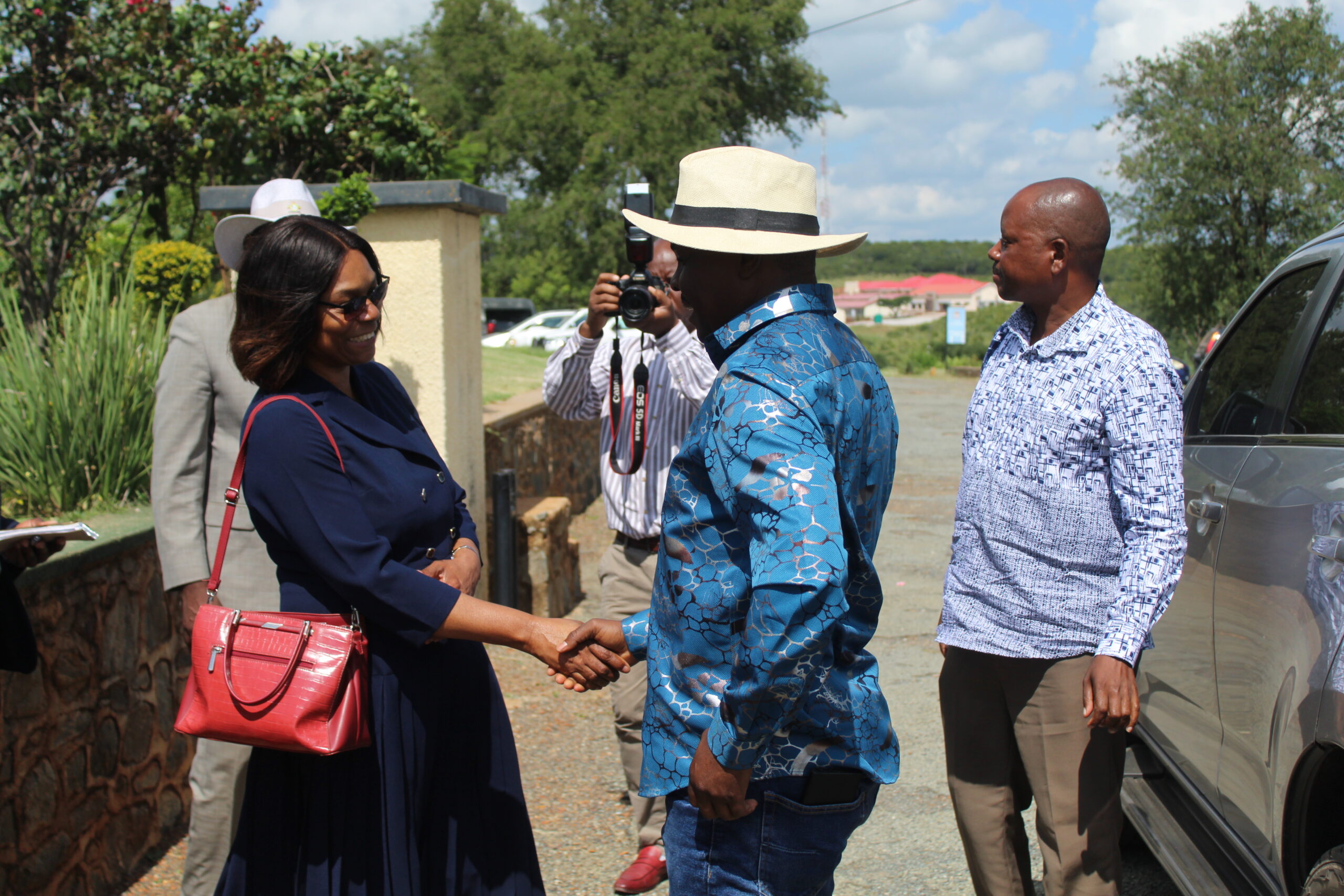
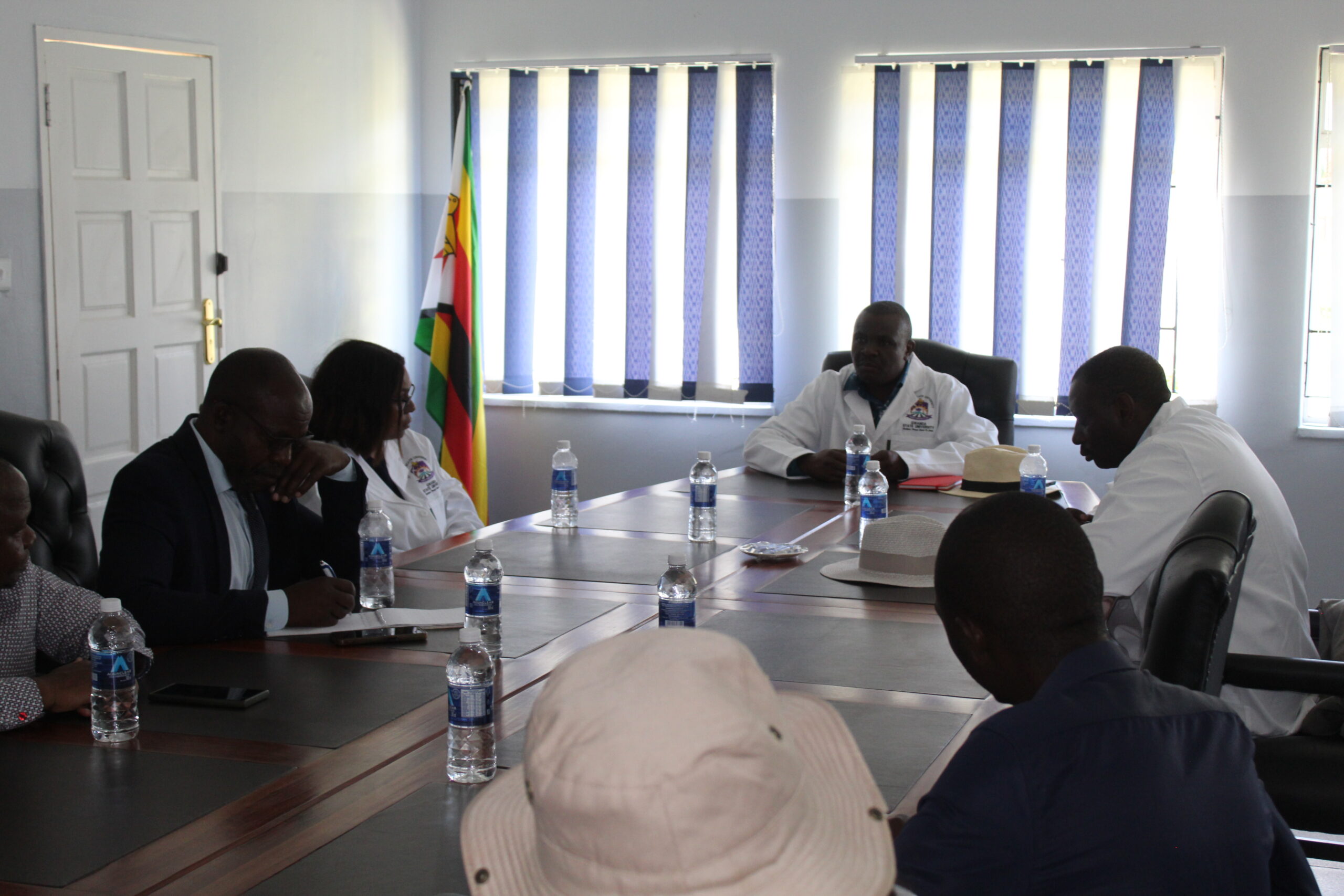
Gwanda State University (GSU) has received strong government endorsement for its alignment with Zimbabwe’s national development priorities following an official visit by the Deputy Minister of Higher and Tertiary Education, Innovation, Science and Technology Development, Hon. Simelisizwe Sibanda, MP.
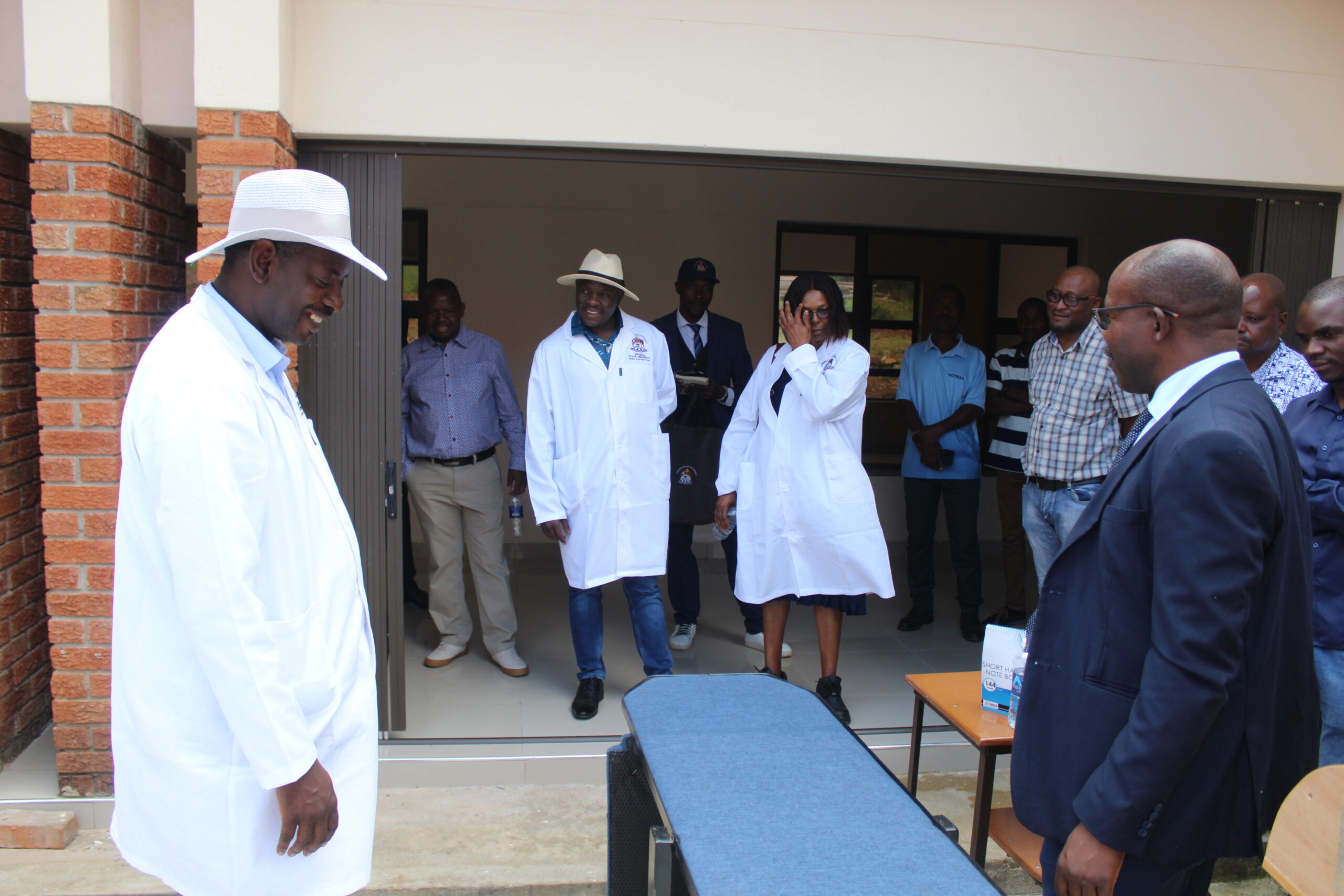
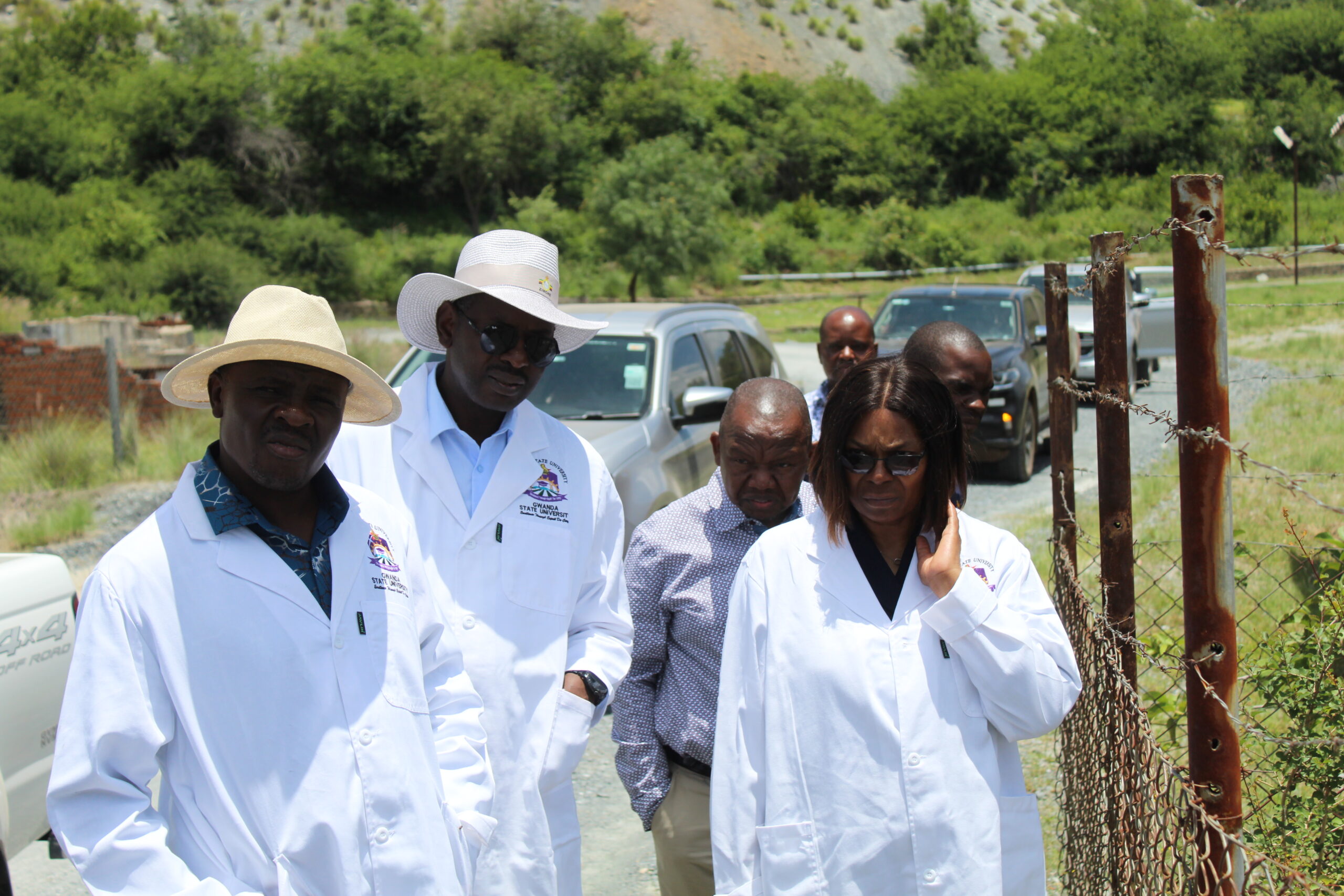
The Deputy Minister toured the institution alongside the Ministry’s Director for Higher Education Programmes (HEPs), Dr Dennis I. Murekachiro, to assess the University’s progress and its contribution to key policy frameworks anchored on Education 5.0, the National Development Strategy 2 (NDS2) and Vision 2030.
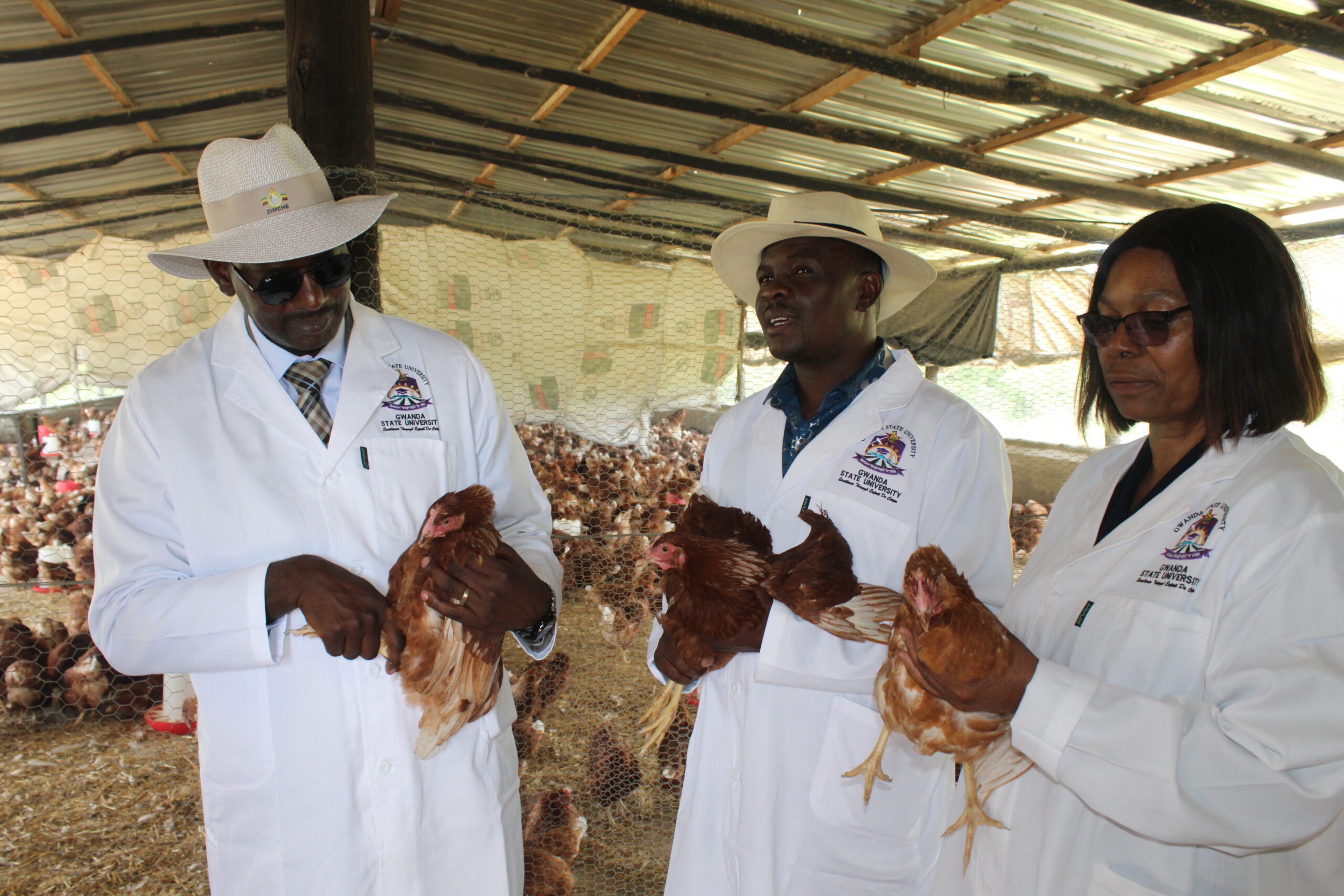
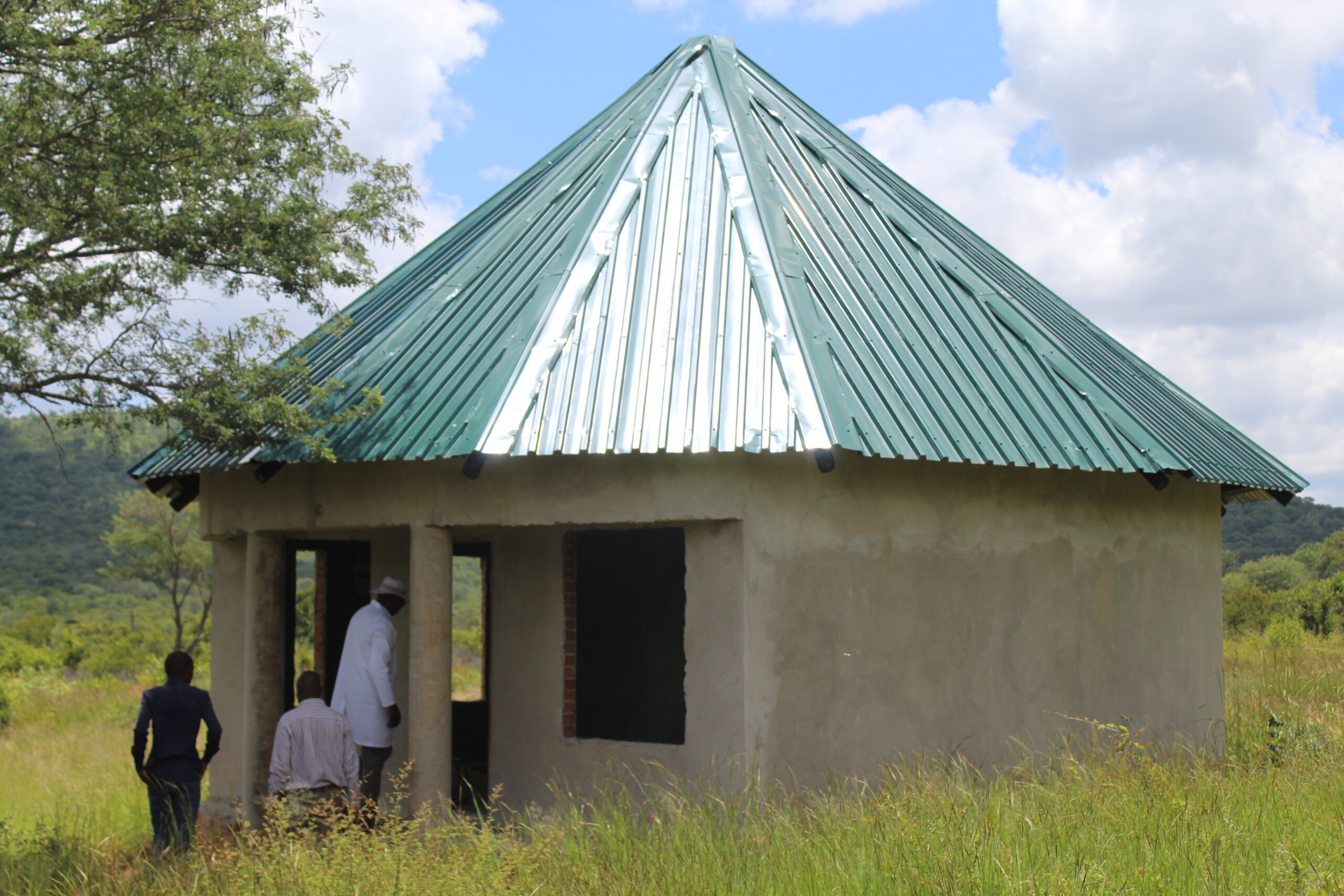
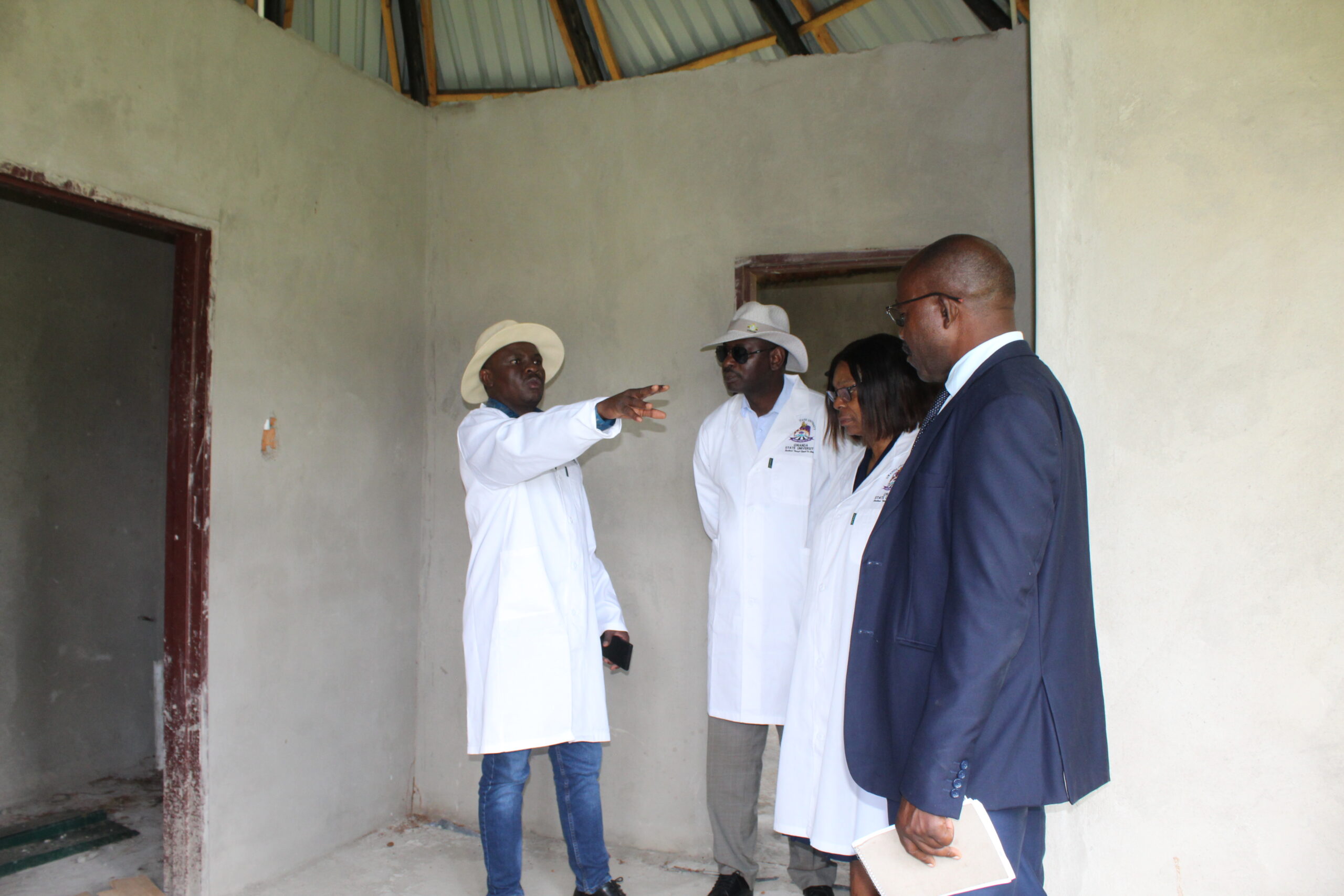
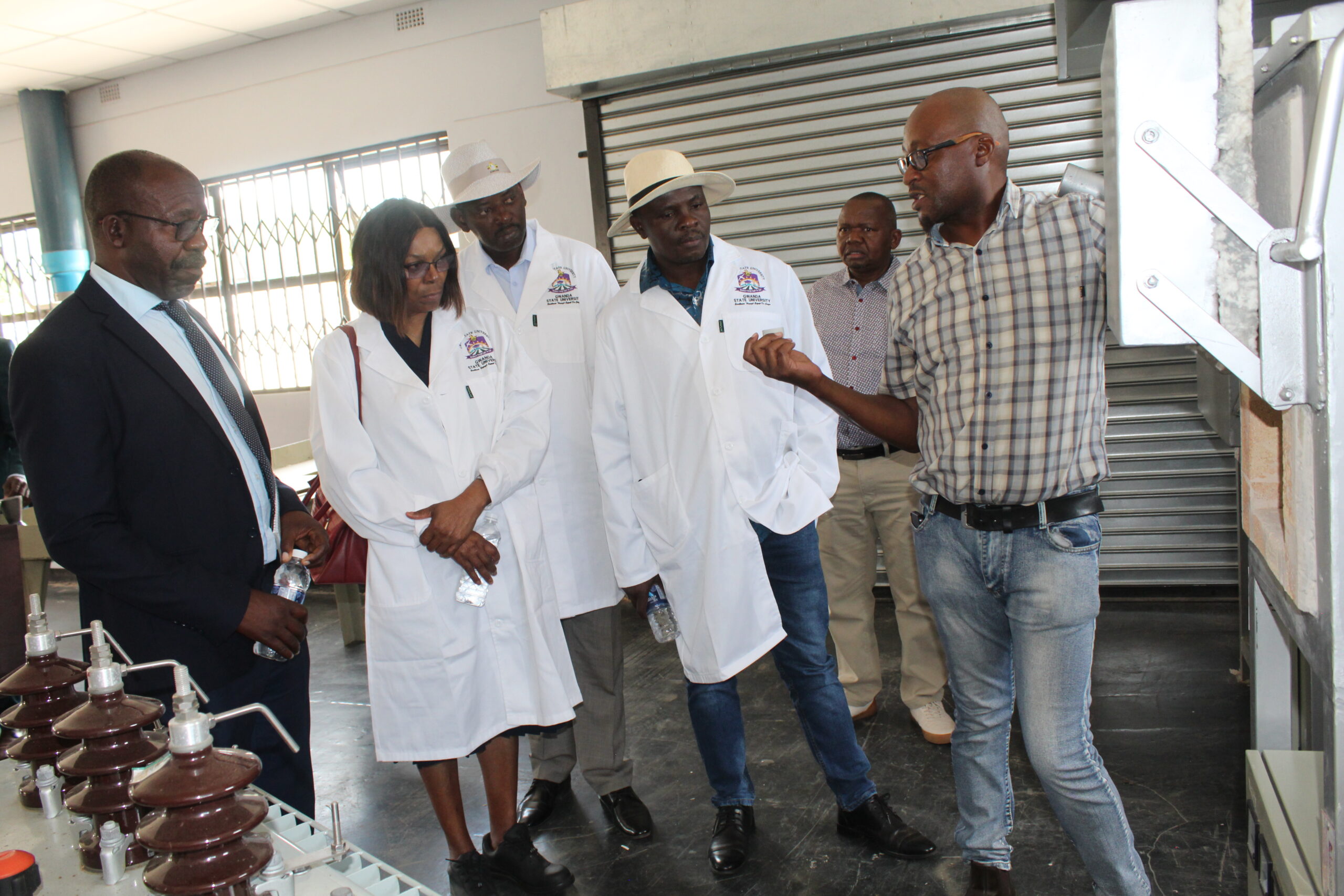
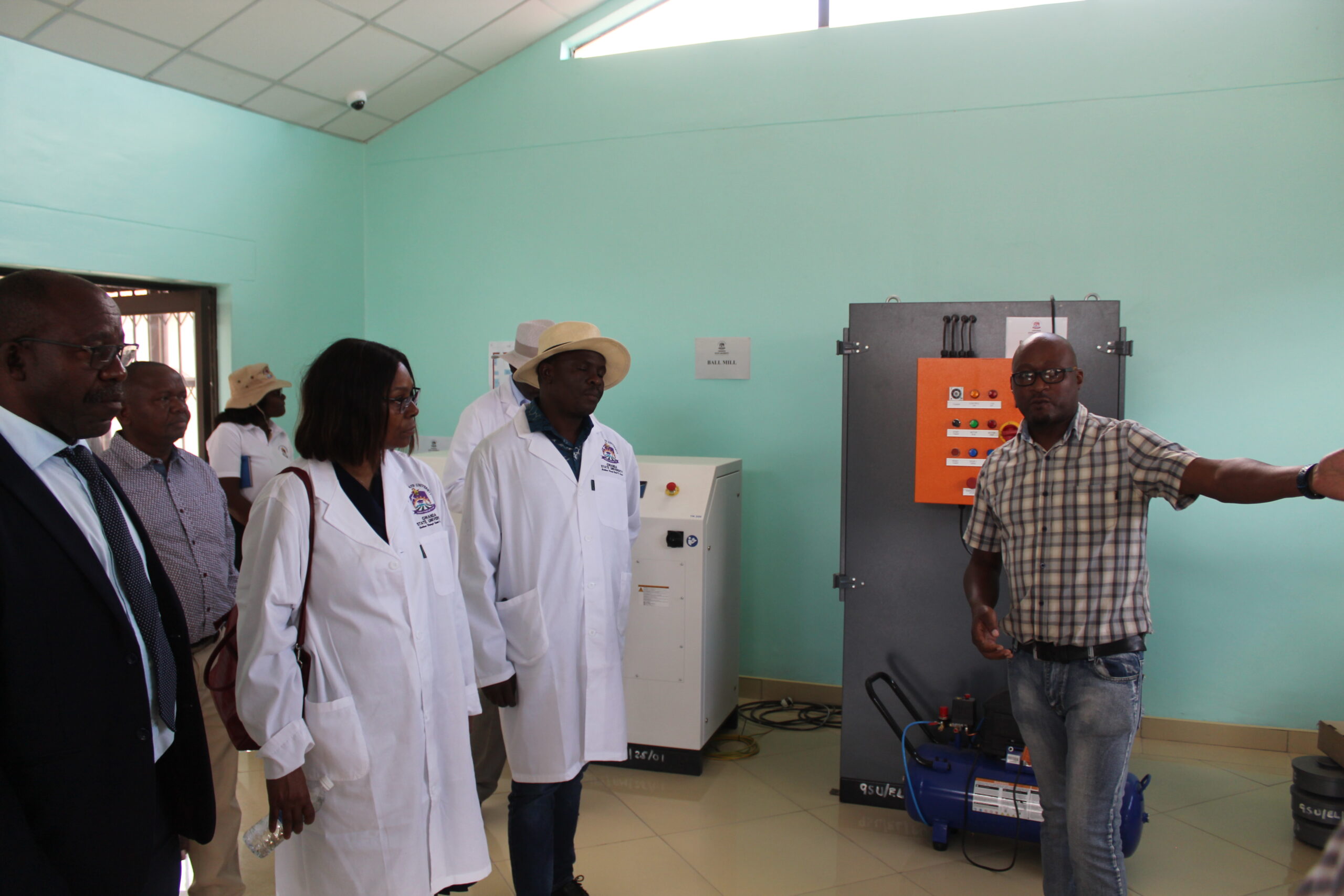
Following a tour of the University’s Engineering Laboratory and Innovation Complex, as well as the Agro-Innovation Hub and Industrial Park, Hon. Sibanda commended the University’s rapid growth. He praised the institution’s strategic focus on practical skills development and innovation.
“I am impressed with what the University is doing, especially on the animal side,” he said, noting that hands-on training in areas such as animal science and husbandry is critical in producing graduates with relevant, market-ready skills.
Hon. Sibanda also commended Gwanda State University for maintaining high standards during its growth phase, emphasising a national vision of excellence that ensures emerging universities remain on par with the country’s most established institutions.
“As a Ministry, we are eager to support all our institutions to ensure that a degree done at Gwanda State University is the same as a degree done at the University of Zimbabwe or the National University of Science and Technology,” he said.
He further highlighted the importance of conducive learning environments in shaping institutional reputation and student recruitment.
“If students have a proper learning environment, that becomes a motivating factor,” he said. “What students say about their experience influences those who aspire to come to university. Improving facilities will boost the image of the institution and attract future enrolments.”
The Deputy Minister also acknowledged challenges related to high electricity costs, describing them as a burden not only to the University but to government as well.
“The electricity bill is always very high, and those funds could be channelled towards more productive areas for the growth of the University,” he noted. He reaffirmed government commitment to supporting Gwanda State University in finding sustainable energy solutions to ensure resources are preserved for core academic and industrial projects.
The visit provided government with an opportunity to assess GSU’s progress while reaffirming the strategic role of higher education in driving innovation, economic growth and national transformation.
GSU’s development trajectory aligns with Vision 2030, Zimbabwe’s long-term blueprint to become a prosperous and empowered upper middle-income society. This vision is being implemented through NDS2 (2026–2030), which builds on gains made under NDS1 (2021–2025) and places strong emphasis on science, technology, innovation, value addition and human capital development.
Within this framework, Gwanda State University continues to position itself as a key contributor to national development, supporting innovation, skills development and economic diversification in line with government priorities.